Dairy ClinicDairy process consulting Request a review

Cheese · Body & texture

Late Blowing in Cheese: Causes & Prevention

Short answer

Late blowing is a gas defect that shows up after several weeks of ripening as slits, cracks and large irregular holes, with a sweet, butyric smell. It is usually caused by Clostridium tyrobutyricum spores from silage-fed milk that survive pasteurization and ferment lactate into butyric acid, CO₂ and hydrogen. Plants control it with low-spore milk specs, bactofugation or microfiltration, enough salt-in-moisture, cool early ripening and, where the market allows, lysozyme or nitrate.

Updated:

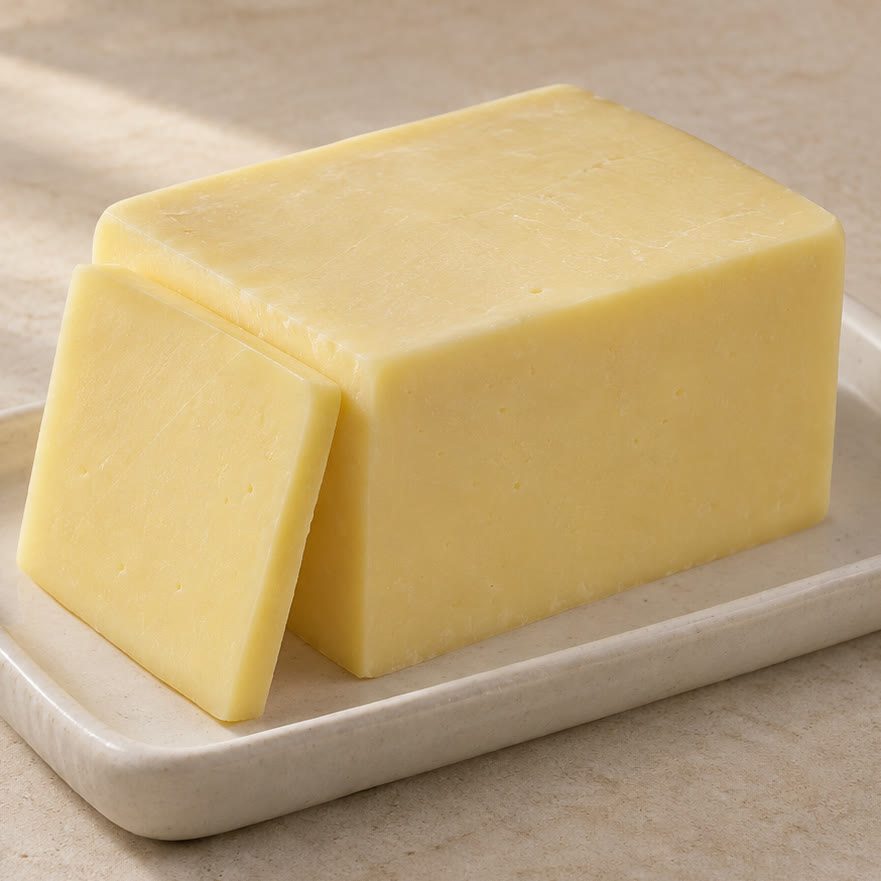
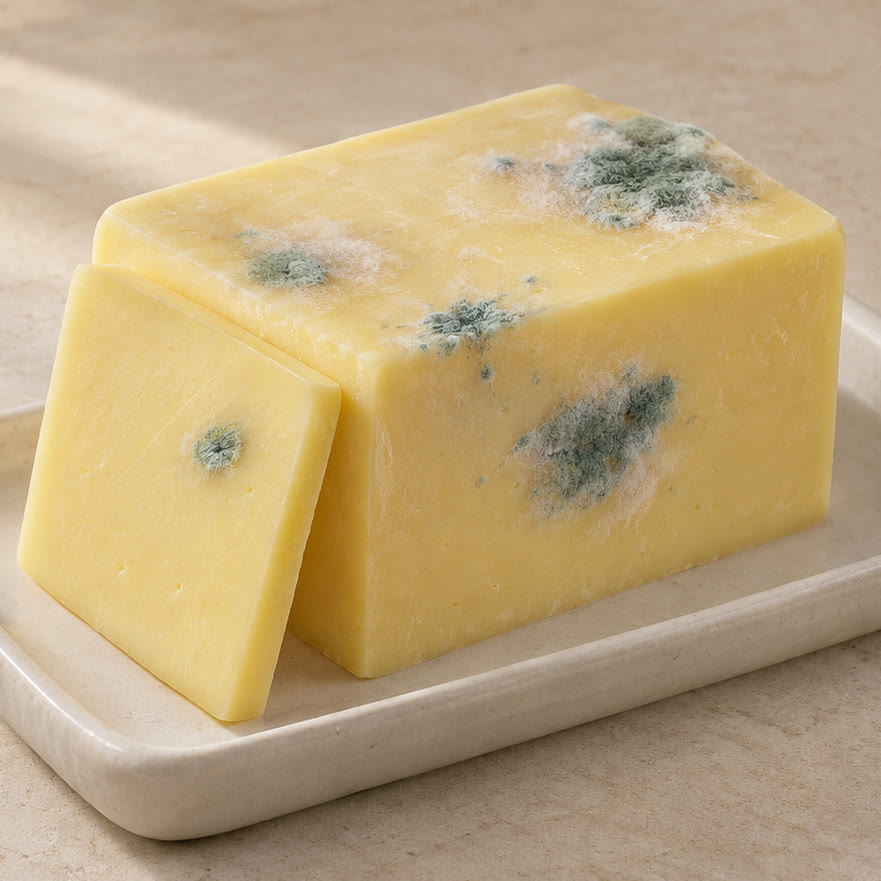
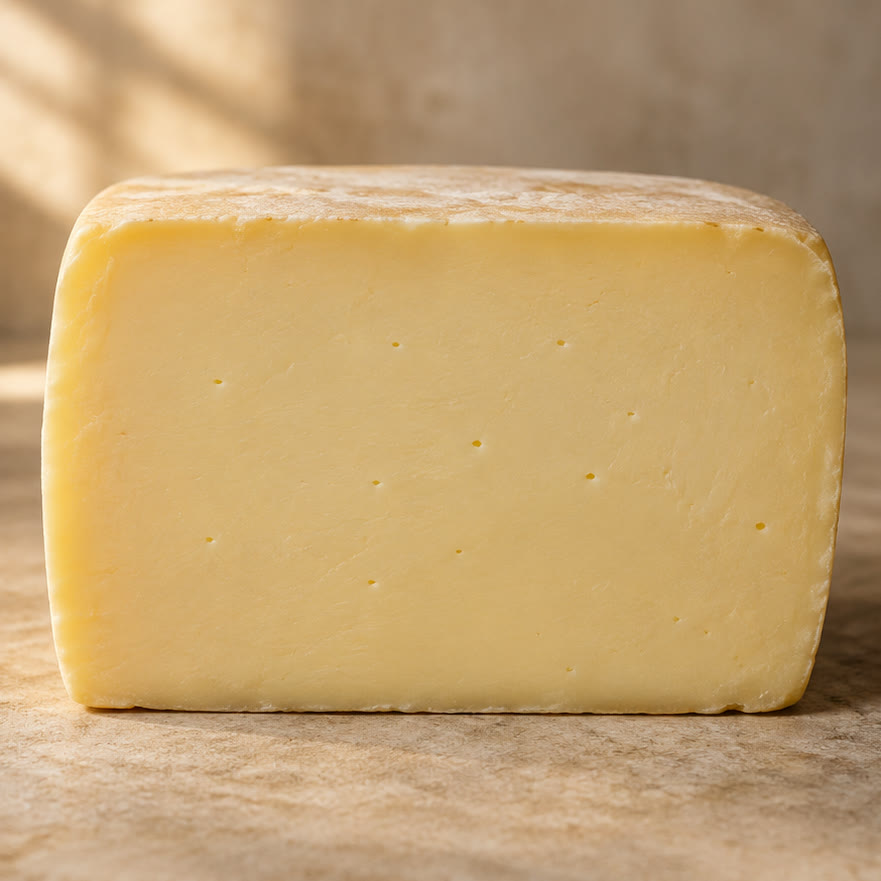
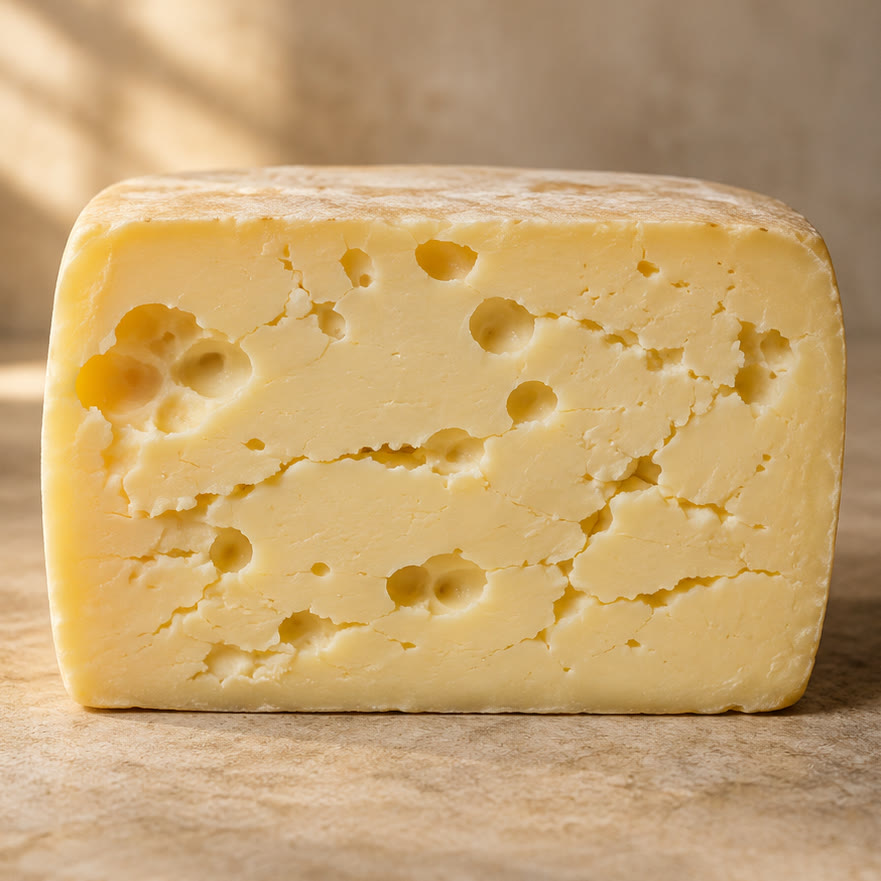
Target: a closed, smooth, even cheese paste with only a few pinholes. Defect: cheese paste with irregular gas holes, slits and cracks from late blowing. Current issueTarget
Plate A · Semi-hard cheese, 8 weeksLate blowing vs. closed texture

Cheese · Body & texture

Late blowing: slits, cracks and blown eyes

  1. 1Slits and cracks that open through the paste at 4 to 8 weeks of ripening
  2. 2Large, irregular gas holes and a sweet, butyric off-odor
  3. 3Clusters of small blown eyes; wheels that bulge in the cooler
Usual causes
Clostridium tyrobutyricum spores from silage-fed milk, too little spore removal, low or uneven salt-in-moisture, warm early ripening
What we review
Raw-milk spore counts (MPN/L), bactofuge or microfiltration settings, brine logs and S/M %, pH at 24 h, ripening room temperatures, cut-face photos by age
Typical levers
Milk sourcing specs, spore-removal tuning, brining schedule, ripening profile, permitted inhibitors with labeling checked for each market

Discuss a similar challenge on WhatsApp ↗

Start a conversation

Seeing this on your line?

Send us the product and what you see. We reply within one business day.

WhatsApp